Empowering Survivorship: Holistic Approaches to Cancer Treatment and Support
In the face of a cancer diagnosis, the journey can feel overwhelming and isolating. How do we nurture resilience in a landscape filled with uncertainty? Survivorship is not just about the absence of disease; it’s about cultivating a holistic sense of well-being. As we dive deep into integrative health strategies for cancer survivors, we uncover powerful methods that can empower healing beyond clinical treatment. Imagine approaching your health through a lens that harmonizes the mind, body, and spirit—a true testament to the resilience of the human spirit.
Integrative health is a multifaceted approach that doesn’t merely focus on oncology or a specific tumor type but encompasses a broader scope of health resources and strategies. It aligns lifestyle choices with traditional therapies, addressing everything from nutrition to emotional support. Think of this as a symphony of care where each element—diet, exercise, mental health, and community support—plays a crucial role in the harmonious recovery process. "Your body has the ability to heal itself," says wellness expert Deepak Chopra, encapsulating the philosophy of integrative health perfectly. How can we access this power?
Nutrition and healthy living emerge as cornerstones of survivorship. Quality food serves as fuel to nourish the body and promote healing. But what does that mean for someone post-cancer treatment? Incorporating nutrient-rich foods, such as fruits, vegetables, whole grains, and lean proteins can enhance overall well-being. Additionally, engaging with patient support groups or community resources can provide shared experiences and diverse nutritional insights. It’s not just what you eat; it’s also about how your choices make you feel. Have you considered how your plate reflects your healing journey?
Furthermore, holistic health doesn’t stop at physical health. It recognizes the vital importance of mental well-being. Therapies such as yoga, meditation, or palliative care can be instrumental in symptom management, offering tools to cope with emotional stress and anxiety. Research shows that engaging in mindfulness activities can improve overall quality of life for survivors. Just think about it—what would it look like for you to incorporate mindfulness into your daily routine? Would you commit to just five minutes of focused breathing?
As cancer survivors, it’s paramount to advocate for your health and stay informed about treatment options, clinical trials, and evolving cancer research. Knowledge is power, and the more you understand your diagnosis, the better suited you will be to make informed choices about your healthcare and lifestyle. Health education should not only empower you but also foster a community of support among fellow survivors. Together, you can navigate the complexities of survivorship and raise cancer awareness, championing both personal and communal well-being. Remember, your journey is unique—but you never have to walk it alone.
Building a Supportive Community: Resources and Networks for Thriving Beyond Diagnosis
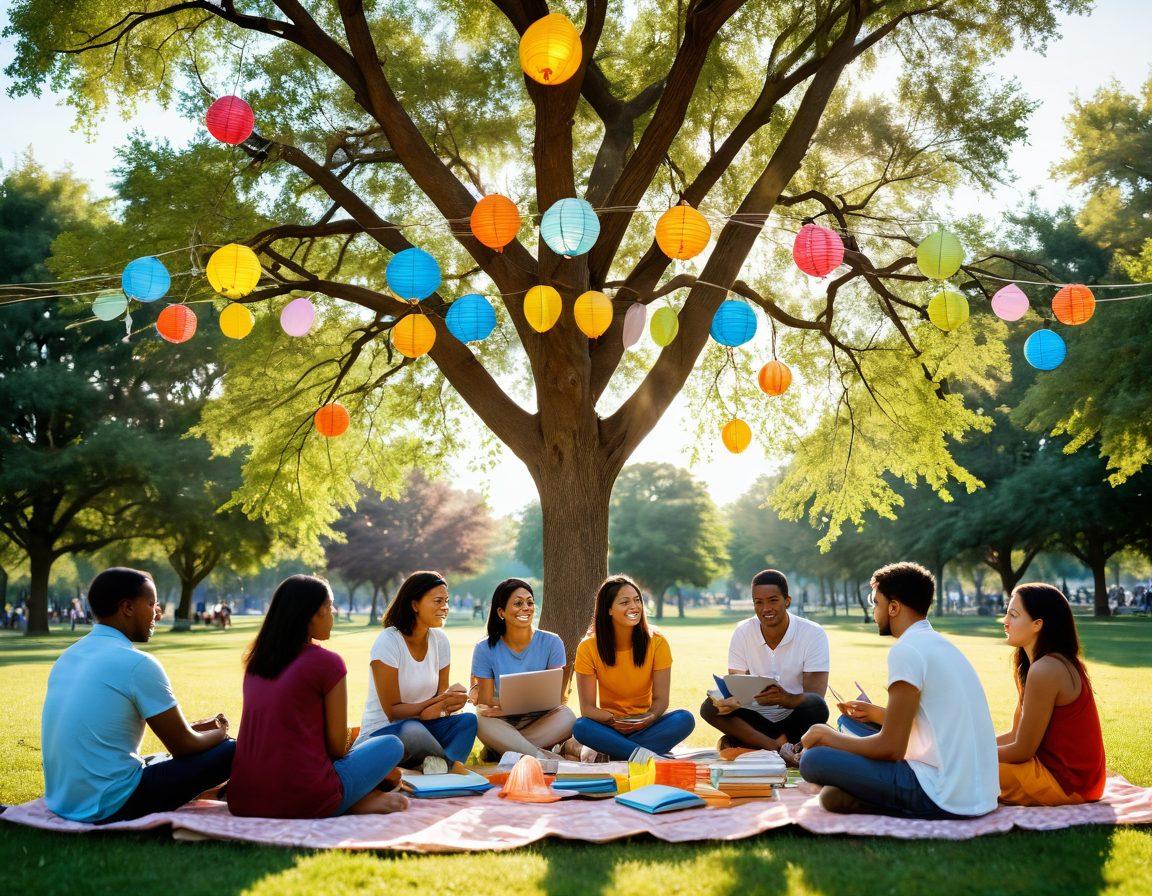
When faced with a cancer diagnosis, it can feel like an insurmountable mountain to climb. Yet, one of the most empowering aspects of survivorship is the ability to cultivate a supportive community. No one should navigate the tumultuous waters of oncology alone. As we delve into resources and networks that help individuals thrive beyond their diagnosis, it's important to remember the power of connection and understanding. Building a community can provide essential patient support that leads to a healthier lifestyle, improved well-being, and a more optimistic outlook on life after cancer.
Have you ever thought about how sharing your story can be a healing process? Beyond the medical treatments such as immunotherapy and palliative care, there lies a rich tapestry of human experience and resilience. Support groups and health resources dedicated to cancer awareness foster spaces where individuals can relate to one another, share their challenges, and celebrate their victories. It's in these shared spaces that friendships blossom, providing strength not only to those directly affected by the disease but also to their families. What if reaching out for help was the first step toward rebuilding your life after cancer?
Health education plays a critical role in survivorship. Understanding treatment options, whether they involve clinical trials or holistic health therapies, helps cancer survivors make informed decisions about their healthcare. More than simply pursuing preventive care, it's about embracing a lifestyle that emphasizes healthy living and symptom management. Imagine walking into a community center where various health resources await you—nutrition workshops, exercise classes, and wellness seminars designed to nurture both the body and mind. What would you want to learn about living your best life post-diagnosis?
Engaging with health advocacy groups is another vital aspect of building a supportive community. These organizations work tirelessly to ensure that the voices of cancer survivors are heard, driving policy changes and improvements in healthcare systems. They often offer workshops that empower individuals to be their own champions, helping them navigate the complex world of cancer care, treatment options, and ongoing support. How does knowing there's a network of people fighting for equitable access to care make you feel? Together, we can advocate for better resources, ensuring that everyone has access to integrative health solutions and caring guidance during their journey.
In conclusion, creating a supportive community around cancer survivorship is not just beneficial; it's essential. Encouraging the sharing of experiences with peers and caretakers alike ignites a spirit of resilience and hope. As you navigate life beyond the challenges of a tumor diagnosis, consider the value of nurturing relationships within a dedicated support network. The journey may not be easy, but surrounded by understanding and informed companions, you can embrace your new normal, using your story to inspire others. Just remember: your experience matters, and together, we can thrive.
Fueling Recovery: The Role of Nutrition and Lifestyle in Cancer Treatment
In the face of a cancer diagnosis, the journey toward healing can feel overwhelming. However, there's a bright light illuminating the path: the roles of nutrition and lifestyle in oncology care. It’s fascinating to consider that our choices about what we eat and how we live can significantly impact our bodies' ability to fight tumors. Moreover, when we think about cancer treatment and recovery, we often focus solely on clinical therapies like surgery, chemotherapy, and immunotherapy, but the healing doesn't stop there. Integrating healthy living principles into recovery can serve as a powerful complement to these treatment options.
Imagine walking down a street, and every storefront corresponds to a pillar of healthy living: nutrition, exercise, emotional well-being, and community support. Picture this: a cancer survivor shares that during their treatment, they began focusing on their diet, picking vibrant, nutrient-dense foods. This intentional choice, coupled with a supportive community and healthcare professionals advocating for integrative health, marked a pivotal moment in their survivorship. So, how can nutrition and lifestyle changes become your toolkit for recovery?
Research illuminates the powerful connection between nutrition and a patient’s ability to endure the ravages of cancer treatment. Health resources abound, guiding patients toward a world of fruits, vegetables, whole grains, and lean proteins. These foods are not only full of essential vitamins and minerals but can also assist in symptom management and bolster well-being. As you dive deeper into cancer research, you’ll discover how preventive care and maintaining a healthy lifestyle can forge a strong barrier against disease recurrence and improve the quality of life for survivors.
But it’s not just about what’s on your plate. A foundational aspect of living well post-diagnosis involves fostering relationships and seeking community engagement. Support groups are a cornerstone of cancer survivorship, where sharing experiences can lead to collective healing. Whether it’s a yoga class gentle enough for everyone or a cooking demonstration showcasing cancer-fighting foods, community engagement nurtures connection—a critical component in patient support. Have you reached out today to your support network?
As we unravel these narratives of wellbeing, it's clear that the path toward recovery involves more than just treating the disease; it’s about fostering a holistic approach that focuses on the mind, body, and spirit. Attending to nutrition and lifestyle in cancer care isn’t merely an anecdotal suggestion; it’s backed by health education and advocacy in today’s healthcare landscape. As we deepen our understanding of holistic health, let's make informed choices that empower not just ourselves but our communities as well. Can you see how these simple adaptations might change the course of your recovery journey?